









There are two games I always credit for starting my love for video game music, and those games are Sunsoft’s Batman, and Taito’s Power Blade, both released on the NES in the early 90s. In all interviews conducted with me about doujin and NSFs, I usually mention Power Blade as one of my all time favorite soundtracks, and I can recall note for note every song in that game. Today, we finally had a chance to speak with the lady responsible for the music in that title, Kinuyo Yamashita!
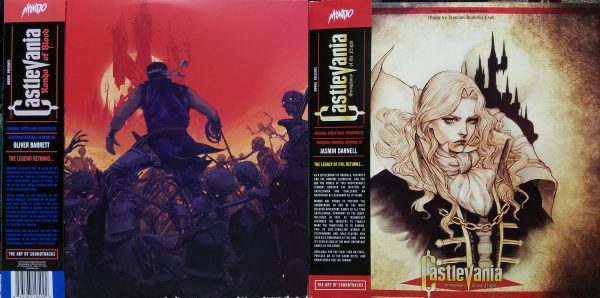
Yamashita is most famous for her work on Castlevania. Yes, THE Castlevania, the one that started it all. She was quite prolific on the Famicom and MSX, composing for many fan favorites, but she faded from game music in the 90s, and since has returned full force and is today working hard on several projects.
Find out what those projects are, why she was gone and how Castlevania’s music was pitched right here on OSV!
Yamashita: Thank you for this opportunity! I started taking classical piano lessons at age 4 on at my parents’ insistence. When I got pretty good, I performed at recitals with some cute clothes. My teacher picked the pieces even though I sometimes did not like them. I was also doing quite well in a Volley Ball club in my elementary school, but my piano teacher did not like that because I could have injured my fingers.
However, I kept playing volley ball throughout elementary school, and of course I kept taking piano lessons, too. I continued taking lessons until I graduated from a 2 year college. Through middle school and high school, my favorite subject was math. When I was in a high school, I wanted to be a math teacher and medical technician. But I made a terrible mistake while I was in my senior year in high school. My school had two different majors which were science and literature, and I wrongly chose the latter. It was a fatal mistake because the literature majors do not take one of the required courses, Math III, to apply for a science college. However, miraculously this 2 year science college accepted me! It was very hard in the beginning because I was the only one who had not taken Math III, which I had to study on my own to catch up. I studied electrical engineering, electronic engineering, and some others there.
OSV: What were some of your favorite music and inspirations back then?
Yamashita: To be honest, I did not listen to music as much back then. The only kind of music I was listening to was some J-Pop from TV. My house had a TV right by the piano, and I would practice with the TV on. When something played on the TV, I would play along with it. I think naturally I developed perfect pitch. Inspirations, I of course had certain things I liked or disliked. But I was never really inspired to write something, and I had never composed anything back then. There was this choir competition when I was in high school. I picked the song, arranged it to a four movement piece, directed the class, and I played the piano along with them. That song basically won the competition. I also made a medley of a few songs for a school athletic festival. In my high school, people always asked me to do anything related to music.
OSV: What was your first exposure to video games, and how did it impact you?
Yamashita: Actually I had never played video games until I started working at Konami. I encountered them in Konami for the first time basically.
OSV: How were you discovered by Konami? And how was it working for them? I believe you were employed by Konami for 2 years, correct?
Yamashita: So, I was about to graduate from my college and was looking for a job. There was a consultation office of employment opportunities, so I went there. I initially was looking to do hardware designing for musical instruments, but they could not find any of those for females. Then the officer recommended Konami saying “Their music department is looking for someone to work.” I must admit that I did not really know what Konami was, but I gave a shot because it was a music job after all. Konami’s entrance exam was really difficult. If I remember correctly, I think there was like up to the 4th exam. I finally got the job after passing all those tough exams. I was placed into the acoustic effect research lab, and that was when I met the Famicom for the first time. I tried a number of games there. The first project I was assigned to was Akumajou Dracula on Famicom Disk System, or Castlevania in the west. That was also the first composing experience for me.
The composer Kinuyo Yamashita was born together with Castlevania. Back then, there was only a handful of people who could compose music in Konami. I wrote music for a lot of games, doing the data conversion, sound effects, and even creating sound programs. I stayed at Konami for about 2 1/2 years total. I had to leave the company because I became pretty sick from overworking. All the experience from Konami – sound programming, sound designing, composing – they all became my very precious knowledge and skills
OSV: Tell us a bit about the process of working on Castlevania. Did you think the music would be seen as iconic like it is today?
Yamashita: I never expected it to be such a famous game, and I am glad that the music has become like a video game music classic in the world. I would basically play some melodies in my head on a keyboard to my boss, then I would program it if my boss said okay. I always thought that the game had a really good system program and is a great game. The music became this popular probably because of the rest of the game – program, characters, and design – being as good. People wouldn’t be interested in the game unless it was good anyway.
OSV: In the beginning of your career, you worked with both Famicom and MSX. Did you find it hard as a musician to create the music on the video game consoles as you imagined them on piano and synthesizers?
Yamashita: It was pretty difficult in the beginning. The music data was in hexadecimal. I have always liked math, so I tried a number of ways to produce better sounds. I did not really mind doing this programming process because I was always happier when I got better sounds. You can get better quality sounds by tweaking the data. I guess that part is more like technical work than composing work. I always composed music on the keyboard first. The way you program is not the same on Famicom and PC, but the whole process has always been the same.
OSV: Some notable MSX titles you worked on were Treasure of Usas, Gariusu no Meikyu: KNIGHTMARE II, Nemesis III and King’s Valley II. Do you have any specific memories of working on any of these games?
Yamashita: MSX is a bit more difficult to deal with than Famicom. It takes some skills to make music sound good with fewer notes. I had experience making music for a bunch of Famicom games when I started working on MSX stuff, so I used all the skills I had to write the music. It was tough in that sense, but the joy I got from completing games made me forget the struggles. It is always nice to hear fans telling me that they like the music from those MSX games.
OSV: After working with Konami, You went freelance and moved onto working with TAITO, how did you start working for them and why did you decide to work freelance?
Yamashita: I got an offer for a project when I was leaving Konami. The project was sponsored by this normal company that decided to assemble a team to create just one game. I started working there and stayed for about 2 1/2 years. I got another job offer from Taito when the team finished its job, but I declined the offer and became a freelancer. I have no clue when I started freelancing, but luckily I got some gigs from friends and friends of friends. Those included projects from Taito, and that is how I started working for their stuff.
OSV: In 1990, you composed the music for TAITO’s Power Blazer on Famicom, which I think is arguably one of the finest game soundtracks on that console. Please tell us what you remember of working on Power Blazer and the process of coming up with the music.
Yamashita: Really!? I had no idea until now that Power Blazer music had such reputation. I am so happy to hear that! Thank you for letting me know! Not just for Power Blazer, but I always try coming up with the musical ideas that fit in the right image of the game and the pace of a player (walking speed in an RPG, running in an action game). I expand the ideas even further if I get the actual picture of the game. I remember we were developing the program, characters, and music simultaneously for Power Blazer. Those eventually started merging all together, and that is how we completed the game. I tested it many times myself, too.
OSV: Were you aware of the changes TAITO made to Power Blazer in the West, making it into Power Blade and changing the character and setting of the game?
Yamashita: Yes, they notified me that in advance. I remade the sound effects because the appearance of the characters have changed. I made the sounds more realistic compare to the original Power Blazer sounds, since the sounds have to match the characters and world image.
OSV: You also did the music for Hana Taka Daka on PC Engine, correct? Was the PC Engine different to work with? This title is a very strange shooter with a flying duck set to very diverse music, from classical Japanese style to happy pop style.
Yamashita: Programming the musical data varies from console to console. I took a different approach for the music for Hana Taka Daka. Rather than composing for the image of the game like I said in the previous question, I basically composed whatever the genre I felt like composing. I thought that approach was appropriate for this particular game. I am very surprised that you know of Hana Taka Daka!
OSV: During the Super Famicom era, you were credited on some games without fully explaining what you were responsible for. Do you remember what you did on the titles Rockman X3 and Kiki KaiKai in particular?
Yamashita: I worked for Rockman X3 and Kiki KaiKai when I was a freelancer working for different clients… for Rockman X3, I composed and programmed all the music. I asked the client to let me take the dev kit home to do the programming. I did most of the music for Kiki KaiKai. But I am not sure if the company decided to use only my music or someone else’s.
OSV: Were you ever employed by Natsume full time?
Yamashita: I have never been employed by Natsume. I only worked on a lot of projects with them as a freelancer.
OSV: You seemed to fade away from the game music industry during the mid 90s before eventually returning to work on Medarot. What were you working with during this time period when not doing game music? I remember reading you formed a band called Honey Honey with a friend?
Yamashita: I was composing for some games before Medarot, but those games did not really get as much recognition…. yet yes, there was a period when I was not working on games. There are different reasons as to why I was gone.
How I work is that I compose for games when I get offers, and I don’t really promote myself much. Also, in early 1995, there was the “The Great Hanshin earthquake” that hit Japan. The region I lived in was struck very hard by the earthquake, so I was unable to work during that time.
Additionally, I collapsed while playing tennis in August 15th 1998. I was taken to the hospital as I was in a coma, and the doctor said that I was diagnosed with a subarachnoid hemorrhage. I went through an operation, but then a second subarachnoid hemorrhage occurred after a week. The chance of me surviving was much lower. However, the second operation was a miraculous success, and I survived. I suffered from some memory loss and slight paralysis on the right side of my body. Gradually I recovered from those, and I was released from the hospital. I was not working on anything for about 6 months after that. I think the Medarot series were my comeback titles.
Indeed, I had a duo called Honey Honey probably in the early 90s. We were gigging with some R&B and jazz cover tunes. I played piano, sax occasionally, and did the background vocal as well. I also did sequencing because having only a piano is musically lonely.

[Yamashita’s complete collection of her own works.]
OSV: I’m glad that you are today fully recovered! Medarot is another series your name is attached to today, as you worked on nearly every game in that series, if not all of them. How were you approached to work on this series and how do you enjoy working on it?
Yamashita: So I got an offer from Natsume for composing all the music for Medarot. As you know, I took the gig. Following the success of the first Medarot, they decided to make one after another. I composed all the music for Medarot 1 through 5. There weren’t that many pieces of music for the 1st one, but after that one I was composing like 50 pieces per game. I heard the battle music has a good reputation. Every time I composed for the sequels, I tried my best to write better music to meet the fans’ expectation. I also wrote almost all the music for any games that have Medarot in their names.
I am actually not certain if Natsume used other composers, though. For those games, I also participated in QA mainly for the audio. I gave feedbacks like “there is a sound effect missing,” “this piece should fade in,” and etc. The Medarot series is definitely one of my biggest works.
OSV: Natsume also put you in charge of composing music for Puroresu games on Super Famicom and Game Boy, such as WWF Road To Wrestlemania. Were you intimidated doing music for such a male focused sport?
Yamashita: No, I was not particularly intimidated by it! [Laughs]
OSV: Today you work almost exclusively with the Nintendo DS system. Do you wish to also work on home consoles again in the future or do you enjoy working with handheld games more?
Yamashita: I would write for any games on any consoles if I get an offer. Recently I wrote the music for Walk It Out! on Wii from Konami, and I have just finished composing for this game on Windows that has not been released yet, so I have some work outside of the DS.
OSV: Recently you were responsible for arranging songs on DonDonPachi Dai-Ou-Jou. Can you tell us how you were approached to work on this project? How was the experience?
Yamashita: One day I received an email from Asada-san, the producer of DonDonPachi Dai-Ou-Jou. I asked him “why me?,” and he said “I am a big fan of Esper Dream that you wrote the music for.” Then he said “For the arrangement CD of DonDonPachi Dai-Ou-Jou, I want to have the composers whom I like to work on the music. So I really want you to do this.” Of course I took the gig. It was actually the first time for me to arrange someone else’s music. The original “Stage 4” music that I worked on had a very particular feel, too. I thought what Asada-san wants is “my sound,” so I added some new materials and phrasing of the whole piece. Some sections sounded cute, but then some sections sounded like Castlevania. It was a great learning experience to arrange someone’s work. I would like to do it again if I have the opportunity.
OSV: You used some different names, such as James Banana and Charming Yamako. Did you come up with your nicknames, and why James Banana? Very strange name for a woman, is it not?
Yamashita: I did not come up with those names – “James Banana”? I am surprised they used that name. I would like to know what it means and who named it. When I was working in Konami, I wasn’t allowed to show my real name at the time. The programmers made up the names to put on the game.
OSV: Konami gave you that name when working on Castlevania, and I believe Taito used it on the American release of Power Blazer. Today you are active on websites such as MySpace and Facebook, and talk to your fans worldwide. Were you surprised to suddenly find out you have such big fanbase all over the world?
Yamashita: Yes, I was surprised! I have had my personal website, so sometimes I would get emails from overseas once in a while. Yet it has been a year and a half since I started MySpace. I feel like I am a lot closer to the outside of Japan, and I am communicating with a lot more people. That is how I found out there are many fans for Castlevania, Rockman X3, and Power Blade.
OSV: You have also recently been invited to Video Games Live where they honored your work in game music. How was it meeting Tommy Tallarico, and are you excited to see your music being performed by an orchestra all over the world?
Yamashita: I met Tommy once in June in Tokyo. I got to know that Tommy is such a nice gentleman who cares about others. He is very passionate about VGL, and he loves animals. After that he asked me to come to the VGL show in Tokyo. I was very happy to hear that. I actually had heard about the VGL show in Tokyo, and I wanted to be a part of it. I really like the rock version of Castlevania music that they perform. I am very happy and excited that they are performing it all over the world. I watch some clips of their performances on YouTube, and I would raise my arm saying “Oh, Oh, Oh” with Tommy in the videos.
OSV: You also recently had the opportunity to meet other female composers such as Michiru Yamane, Yoko Shimomura and Ayako Saso. Did you feel you had an instant connection with them, as there aren’t many females working in game music?
Yamashita: Rather, I thought every one of them is really mature and strong. I am very proud of Japanese female composers for being famous in the world.
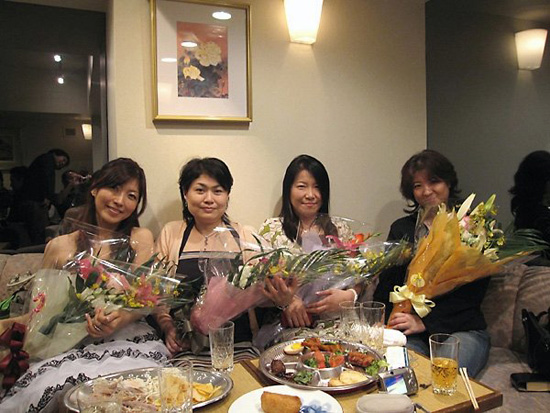
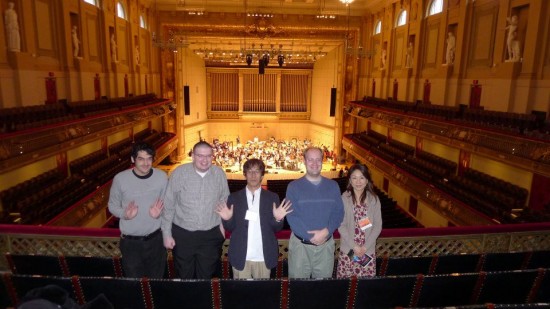
[The ladies of VGM: Yamashita, Michiru Yamane, Yoko Shimomura and Ayako Saso]
OSV: What are some of your future projects we can look forward to with game music and also outside of games?
Yamashita: Like I said, I just finished working for a Windows game. I am not working on anything now because I am moving to the US. For my personal plan, I am thinking about uploading a video of me playing Castlevania music on piano on YouTube and MySpace. I cannot do it right away, though. Also I am dreaming about playing the piano in VGL. I promised it with Martin Leung, too. Other than those, I would like to write music for other musicians.
OSV: Do you have a personal favorite when it comes to your own work? Any game you composed for that is special to you?
Yamashita: All of them! If I must mention some: Castlevania, Esper Dream, Arumana’s Miracle, Parodius, Power Blazer, Rockman X3, the Medarot series, Monsters Inc and others.
OSV: I must ask, with your beauty, were any of your co-workers shocked to suddenly see a pretty girl coming in to do music for video games? I even heard rumors you have done some modeling?
Yamashita: Thank you for such kind words! I don’t really have a chance to go to the companies to deliver my works because now I communicate via emails. When I go, occasionally I would meet some employees who happened to be fans of my works. I feel very shy when that happens.
OSV: Thank you so much for your time! Is there anything you would like to say to all your fans out there?
Yamashita: It is all because of the fans that I can keep composing video game music since my debut work, Castlevania. Sometimes I feel down when I cannot come up with anything. Then I would read emails and comments from the fans which always encourage me. You fans are the ones who support me the most. I would like to thank you all, and I deeply appreciate you always. As of next year, I am going to start composing again at the new place in the US and I will do my best! Thank you so much for interviewing me!
If you wanna check out more on this lovely lady, check out her website Ciao and her MySpace
[Translation provided by Shota Nakama]
Yamashita: こちらこそありがとうございます。 私は親の意志で4歳からピアノを習い始めました。クラシックピアノを弾くことです。少し弾けるようになってきたら、かわいい服を着せてもらって、毎年発表会に出ていました。ただ私が弾く曲目は先生が選んでいました。私はその曲が気に入らない時もありました。 私は小学校のころバレーボール部で活躍していました。しかし、球技には突き指がつきものです。ピアノの先生には反対されていました。でも私は小学校を卒業するまでバレーボールを続けました。もちろんピアノもレッスンにも通っていました。ピアノは短大を卒業するまで習っていました。 中学、高校と通して好きだった科目は数学です。私は高校生の時、診療検査技師や数学の先生になりたいと思っていました。しかし、私は高校3年の時に進路を間違えました。私の高校は高校3年で文系、理系にクラスが別れます。私は間違って文系を選択してしまいました。それは致命的です。なぜなら、理系の大学を受ける為に必要な数Ⅲという授業が文系のクラスにはありません。しかし、私は推薦入試で理系の大学を受けました。奇跡的に受かりました!。それは短大と言って2年生の大学です。しかし、大学に入ってから大変です。みんなは数Ⅲを勉強済みです。私は自力で数Ⅲを勉強しました。大学で勉強したことは、電子工学、電気工学などです。
OSV:その頃に良く聴いていた音楽やインスピレーションは何でしたか?
Yamashita: 実は私はあまり音楽を聴いていませんでした。唯一聴いていたというと、TVから流れるJ-POPだけです。私の家はピアノの横にTVが置いてありました。私はTVをつけたままピアノを弾いていました。TVから音楽が流れると、それと同時にピアノでその曲を弾いていました。私には自然と絶対音感が身についていたみたいです。 インスピレーション。やはり、パッと曲を聴いて、この曲好き、この曲はあんまり好きじゃない・・・など感じる物はありました。しかし、曲を聴いて、そこから何かを発想して、曲を作曲するといったことはありませんでした。この時、私はまだ作曲などしたことがありませんでした。 しかし、私は高校生の時、合唱コンクールの曲を選択して、その曲を4部構成の合唱曲に編曲し、クラスのみんなに指導し、みんなが歌い私はピアノを弾きました。その曲は入賞しました。また体育祭で踊る曲を数曲選んでそれをミックスしました。高校生のころ「音楽」。じゃあ、山下に頼もうと、みんなからあてにされていました。
OSV:何がきっかけでゲームを始めたんでしょうか? その出会いは衝撃的でしたか?
Yamashita: 実は私はコナミに入るまで、ゲームをしたことがありませんでした。私とゲームの衝撃的な出会いはコナミに入ってからになります。
OSV:どの様にしてコナミさんから? コナミでの仕事経験はどうでしたか? 確か2年程働かれていましたよね。
Yamashita: 私は大学で就職先を探す時期が来ました。就職課という、就職について相談にのってくれる課があったので私はそこに行きました。私は楽器のハード設計をしたいと思い、そういう仕事を探して貰いました。しかし女子の求人はありませんでした。逆に就職課の先生から、コナミを紹介されました。「音楽の部署が求人を探しているから」、と。恥ずかしながら私はまだこの時コナミについて、あまり知りませんでした。しかし、音楽の仕事が出来るのならと、コナミを受けることにしました。コナミの入社試験は難関でした。確か4次試験まであったと思います。私はそれを突破して、コナミの社員となることが出来ました。音響効果研究室(同時の名前)をいうところに配属になりました。私はそこで初めてファミリーコンピューターと出会い、数々のゲームに振れました。 私が入社して初めて担当したゲームが「悪魔城ドラキュラディスクシステム」でした。私はここで初めて作曲をすることとなりました。悪魔城ドラキュラの誕生と共に、作曲家山下絹代は誕生しました。 この当時、コナミには作曲が出来る者は数名しかいませんでした。私は何本ものゲームの曲を作り、それをデータに変換しました。また効果音も作りました。またサウンドプログラムも作りました。私は1人で1本の、サウンドプログラム、効果音、曲の作成をしました。コナミには2年半ほど居ました。このころの仕事の状態はオーバーワークでした。私は体を壊し去ることにしました。 コナミでの仕事、サウンドプログラム、効果音、曲の作成は私の貴重な財産となりました。
OSV:それと悪魔城ドラキュラが山下さんの処女作でしたよね。 この作品の事について聞かせて下さい。 この作品の音楽が、今の様に有名になると思っていましたか?
Yamashita: はい処女作です。今のように世界中で有名になるなんて思ってもいませんでした。私は頭に思い浮かんだメロディーをポータブルキーボードで弾き、上司に聴いてもらい、OKが出るとデータ化していました。その曲が今、世界中で有名になってることを、大変うれしく思います。 でも、悪魔城ドラキュラはシステムプログラムもいいし、ゲームとしての出来はいい、と私は曲を制作中に思っていました。音楽が有名になったのは、プログラム、キャラクターデザイン、それぞれが優れていたからだと思います。 プログラム、キャラクターデザインが優れ いなければ、ユーザーはゲームに興味を持ちません。
OSV:山下さんはゲーム音楽家の仕事を始めた時、ファミコンとMSX両方の仕事をしていました。 普段はピアノやシンセの音で曲を考えると思いますが、それとは全く違う音のゲームの音源で音楽を作って行くという作業は、やはり難しかったでしょうか?
Yamashita: 最初はやはり難しいと思いました。曲のデータは16進数でデータを入力します。でも私は数字が好きでした。いろいろ試行錯誤しながら、よりよい音を出す研究をしました。前より音の響きがよくなるのがうれしくて、データを入力するのは苦ではありませんでした。データに少し工夫を加えると、音はより響きます。データを作成する作業は作曲家というより、技術職人です。 またファミコンもMSXもまずはポータブルキーボードで作曲していました。データの入力方法が違うだけで、最初の作曲作業は同じでした。
OSV:山下さんが手掛けた有名なMSXにUsas, ガリウスの迷宮、ナイトメア2、ネメシス3、やKing’s Valley IIがあります。 これらの作品に特別な思い入れはありますか?
Yamashita: MSXはファミコンと違い、より表現が難しくなります。少ない音数で音楽を作るのには技術がいります。私がMSX部門に異動したころは、すでに、ファミコンで多くの作品を作っていたので、私が出来る限りの技(笑)を使い、音楽を表現しています。 そう言った意味では苦労した覚えがありますが、作品が仕上がった時の喜びは、その苦労を消し去ります。 今でもファンの皆様からシャロムやその当時のMSXの音楽のファンです。と言って頂けるのはうれしいことです。
OSV:コナミ退社後、フリーランスになりタイトーとお仕事をされていましたよね。 どういった経緯でタイトーさんとお仕事をする事になったんでしょうか? 正社員ではなく、フリーランスとしてタイトーと働いた理由は何でしょうか?
Yamashita: コナミを退社する時、あるゲームプロジェクトに誘われました。それはゲーム会社ではなく、普通の会社が、1プロジェクトだけゲームを作成する部署でした。私はそこの社員になりました。そこには2年半ほど居ました。プロジェクトが解散するというので、タイトーの社員にならないか?と言われましたが、私は断り、会社を辞め、フリーランスとなりました。下記にある「パワー・ブレイザー」はそこの社員の時に作った物です。 あてもなくフリーランスなった訳ですが、私の友人が、またその友人に私のことを話して、そこからゲームの作曲の仕事の依頼が来ました。また別の私を知る人からもゲームの作曲の仕事の依頼が来ました。その中にタイトーの作品もありました。それで私はタイトーの作品も作曲させて頂いていました。
OSV:1990年にタイトーのファミコン作品「パワー・ブレイザー」の音楽を手掛けられましたが、その音楽はファミコン史上もっとも優れたサントラの1つだと言われています。 この作品についての思い出や、音楽製作中の事等を聞かせて下さい。
Yamashita: 本当ですか!?。私が作曲した「パワー・ブレイザー」がそのように言われてることを今まで知りませんでした。とてもうれしく思います!。ありがとうございます。 「パワー・ブレイザー」に限らず、いつも心がけていることは、ゲームに合ったイメージ、ゲームのプレイヤーのスピード(歩くRPG、走るアクション)に合った曲をまず考えます。そしてゲームの背景などを見て作曲出来る場合は、もっとイメージを広げます。「パワー・ブレイザー」はプログラム、キャラクター、音楽、すべてが同時進行でした。それらが一体化してゲームを仕上げていったのを思い出します。もちろん私自身も何度もプレイしました。
OSV:パワー・ブレイザー北米版は名称が「バワー・ブレイド」になり、キャラクターや世界観が変更されていますが、その事はタイトーから事前に知らされていましたか?
Yamashita: かなり昔のことなので確かではありませんが、事前に知らされていたと思います。
OSV:他にもPCエンジン作品「鼻高々」を手掛けられましたよね? PCエンジンでの作業は他のゲーム機と違いましたか? この作品は多種多様な音楽(日本の伝統音楽や明るいポップ調の曲など)をバックグラウンドに、空飛ぶアヒルを操作するというとても変わったシューティングゲームでしたよね。
Yamashita: やはりハードが変わると、音楽のデータの打ち込み方が変わって来ます。「はなた〜かだか!?」 の音楽は、私の自由気ままに思いつく曲を作曲していきました。だから今までのように背景に合った曲を、と言うよりかは、私の思いつくままにいろいろなジャンルの曲を作曲しました。「はなた~かだか!?」というゲームにはそれが許されると思ったからです。 「はなた~かだか!?」をご存知とは、ビックリしました。
OSV:スーパーファミコンの時代、山下さんが色々なゲームにクレジットされていましたが、関わった内容の説明があまり詳しくされていませんでした。 特に「ロックマンX3」や「奇々怪々」ではどのような仕事をなされたんでしょうか?
Yamashita: 「ロックマンX3」も「奇々怪々」もフリーランスの時に作りました。依頼主は別々の会社です。 「ロックマンX3」は全曲作曲し、データ化までしました。データ化するにあたり、依頼主の会社から、専用のハードを家に持ち帰ってデータを作っていました。 「奇々怪々」はほとんど作曲しました。しかし最終的に納品先の会社が、他の人の曲も使用したかどうかは私にはわかりません。
OSV:スーパーファミコンが発売された頃、山下さんは既にフリーランス作曲家として働いていましたか? 私達の情報によると、ナツメで正社員として働いていたらしいのですが。
Yamashita: それは間違った情報です。私はナツメの社員になったことはありません。私がフリーランスでナツメからたくさんのゲームの曲の作曲の依頼を受けていました。
OSV:後々「メダロット」の仕事を始めるまで、90年代半ば頃は山下さんはゲーム音楽業界から遠ざかっていました。 その頃は一体何をなさっていたんでしょうか? ハニー・ハニーというバンドを組んでいた、という話も聞きましたが。
Yamashita: メダロット を作曲する以前にも、ゲームの作曲は続けていました。ただそのゲームがあまり有名になってないだけで・・・。それと確かに、私はゲームの作曲の仕事をしていなかった時期も少しあったかもしれません。私は営業をしないので、依頼があれば作曲するといった仕事ぶりだったので。 それと、1998年の8/15にテニスをしてる最中に私は倒れ、救急車で病院へ運ばれ、危篤状態となり、くも膜下出血と診断されました。手術は行われました。しかしその1週間後、病院のICUに居る時、2度目のくも膜下出血が起こりました。私の生存の確率はより下がりました。また手術が行われ、私の命は助かりました。入院中は右半身に軽い麻痺があり記憶の損失などありましたが、徐々にそれも回復し、そして無事退院しました。何の後遺症もなく。しかし、それから半年ほどは仕事はしていませんでした。作曲家としての復帰作はメダロットシリーズだったと思います。 Honey Honeyというデュオを組んでいたのは確かです。R&B、Jazzなどのカバーをしていました。私はピアノを弾き、時にはサックスを吹き、コーラスを担当していました。ピアノだけでは寂しいので、バックのカラオケとなる部分の打ち込みもしていました。そしてライブ活動を行っていました。それは90年代前半だったと思います。
OSV:メダロットシリーズ作品ほぼ全てで山下さんの名前を見る事が出来ますが、このシリーズにはどのようにして関わるようになったのでしょうか? このシリーズの仕事はどうでしたか?
Yamashita:メダロットの作曲依頼がナツメよりありました。全曲です。私はそれを受けました。 その初回メダロットが好評だったので、次回作もオーダーがありました。そしてその次も・・・。メダロットシリーズ1〜5はすべて私が作曲しています。最初は曲数も少なかったのですが、だんだん1本50曲と曲が増えていきます。そして戦闘曲が好評だと聞きました。私は毎回、前よりももっといい曲を、ファンの期待を裏切らないように、と力を入れてました。 他のメダロットと名の付くタイトルの曲もほぼ私が作曲しています。しかし、これもナツメからのオーダーだったので、他の作曲家が参加したかどうか、私にはわかりません。 そしてこのシリーズには、私はバグチェックとしても加わりました。主にサウンドの部分で。「ここの効果音が鳴っていない」、「ここの曲はフェードインで鳴らすように」など、私はたくさん意見を言いました。 メダロットシリーズは私の代表作の1つです。
OSV:ナツメではスーパーファミコンやゲームボーイのプロレスゲームの作曲をなされていました。 そういう男らしいスポーツゲームの仕事をするのは気が引けましたか?
Yamashita: いいえ、特に気が引けるということはありませんでした。
OSV:現在はDSのゲームを専門に手掛けていますよね。 今後は家庭用ゲーム機の仕事もやっていくおつもりですか? それとも今の様に携帯用ゲーム機の仕事の方中心にやっていく予定ですか?
Yamashita: DSのゲームを専門に手がけてるということではありません。オーダーがあればどんなハードの曲でも書くつもりです。最近では、コナミのWalk It Out!(Wil)の曲を作曲しましたし、まだ未発表ですがWindows用のゲームを作り終えたところです。 私は家庭用ゲーム機、携帯用ゲーム機、どちらかを中心にやっていくか、という思いはありません。
OSV:山下さんは最近「怒首領蜂 大往生」の編曲を手掛けられました。 この作品に関わるようになったきっかけは何ですか? この作品での仕事の方はどうでしたか?
Yamashita:「怒首領蜂 大往生」のプロデューサーの浅田さんから、突然メールを頂きました。私は浅田さんに尋ねました。「なぜ私に?」すると浅田さんは、「私は山下さんの作ったエスパードリームのファンです」。「怒首領蜂 大往生のアレンジCDには、自分の好きな作家さんに参加して頂きたい、だから山下さんに、ぜひ参加して貰いたい」とおっしゃいました。私は引き受けました。 しかし人の曲をアレンジするというのは初めてでした。また私が担当したStage4の元曲は独特な雰囲気でした。プロデューサーの浅田さんが望んでいるのは「私らしさ」だと思い、作曲パートを追加し、曲に起承転結みたいな物をつけました。少しかわらしい部分があるかな、と思ったら、ドラキュラの用な雰囲気になったり。 アレンジの仕事は初めてでしたが、いい勉強になりました。機会があればまた参加したいと思っています。
OSV:過去に「ジェームズ・バナナ」や「チャーミング・ヤマコ」等の名前を使っていました。 自分で名付けたんでしょうか? ジェームス・バナナ等は女性には変わった名前だと思いますが、名前に何か意味はあるんでしょうか?
Yamashita: これは自分で付けた訳ではありません。 「ジェームズ・バナナ」!?。私の名前が「ジェームズ・バナナ」になってるのを見て驚きました。私も意味が知りたいです。誰がつけたか知りたいです。 コナミで働いてた当時は本名を出すことが許されていませんでした。だからプログラマーが、適当に名前をつけていました。
OSV:マイスペースやフェイスブックを頻繁に更新されて、世界中のファンと交流しています。 こんなにたくさんのファンが世界中にいると知った時は驚きましたか?
Yamashita: もちろん驚きました!!!。それまでもパーソナルサイトをオープンしていたので、たまに海外の方からメールを頂いたりしていました。 しかしマイスペースを初めて約1年半、それからはもっと世界が身近に感じられるようになり、 いろいろな方と交流出来るようになりました。 悪魔城ドラキュラ(Castlevania)、ロックマンX3(Mega Man X3)、パワーブレイザー(POWER BLADE)などのファンが多いことにも気づきました。
OSV:それと最近ビデオ・ゲームズ・ライブのコンサートでゲストとして招待されましたよね。 トミー・タラリコ氏とお会いしてどうでしたか? 山下さんは世界中で自分の作品が演奏されるという事に興奮されていますか?
Yamashita: Tommyとは6月に東京で1度会っていました。その時、Tommyは紳士的でよく気がまわり、VGLに熱い思いを持って、そしてアニマル好きだと言うことがわかりました。 その後、TommyにVGLに来て欲しいと言われて、とてもうれしく思いました。TommyのVGL日本公演に対する思いは前から聞いて知っていました。私は役に立ちたいと思いました。 VGLで演奏されるCastlevaniaロックヴァージョンはとても好きです。それが世界中で演奏されてることを知り、とても幸せに思い、もちろん興奮しています。CastlevaniaロックヴァージョンのYouTubeのビデオを観ながら、Tommyと共に「Oh, Oh, Oh」と手を振り上げています。
OSV:同じく女性ゲーム音楽家の山根ミチルさん、下村陽子さん、佐宗綾子さんと会う機会がありましたね。 数少ない女性ゲーム音楽家の一人として、やはり近いものを感じましたか?
Yamashita: 近い物というか、みなさんしっかりしているなぁと思いました。 日本の女性作曲家が世界で有名になることはとても光栄に思います。
OSV:もし可能なら、これからゲーム音楽家として関わる予定のプロジェクトを教えて下さい。 他にゲーム外でのプロジェクトもあれば教えて下さい。
Yamashita: 今ちょうどWindowsのゲームプロジェクトが終わったところです。新しいプロジェクトはありません。(理由は渡米の準備の為) 私自身の予定では、 Castlevaniaの曲をピアノで弾いて、マイスペースやYouTubeにUPしようと考えています。すぐに、とはいきませんが。 またVGLで今度はピアニストとして参加したいという夢があります。Martinとも約束しました。 ゲーム外ではアーティストへの曲の提供を行いたいと思っています。
OSV:自分の作品の中で、個人的に特に気に入っている作品はありますか?
Yamashita: すべてです!。と言ってしまえば終わってしまうので、作品を日本名で書きます。 悪魔城ドラキュラ、エスパードリーム、アルマナの奇跡、パロディウス、パワーブレーザー、ロックマンX3、メダロットシリーズ、モンスターズ・インク、などです。
OSV:山下さんはモデル等もなさっていると聞きましたが、こんなに美しい方がゲーム音楽家として職場に行くと、驚かれませんか?
Yamashita: やさしい言葉をありがとうございます。 納品先の会社に行く機会などあまりありませんが(今はすべてメールでやりとりしているので)、行った時には、私の作ったゲームのファンの方が社員で居ることがあります。 その時は私も照れてしまいます。
OSV:インタビューに時間を頂き、ありがとうございました! 最後になりますが、ファンに何か一言お願いします。
Yamashita: 私が悪魔城ドラキュラでデビューして、今までゲーム音楽を作曲し続けてこれたのは、ファンの皆様のお陰です。曲が出来なくて落ち込む時もあります。その時ファンの皆様から頂いたメールやコメントを読むと、力がわいてきます。私を支えてくれてるのは、私を応援してくれてる皆様のお陰です。ありがとうございます。心から感謝しています。 私は新しい土地(ニュージャージ)で、来年から作曲活動を再開します。 私はこれからもがんばります! インタビューをどうもありがとうございました。






[…] Original Sound Version » Blog Archive » Beautiful Music, Beautiful Lady: Kinuyo Yamashita Intervie… http://www.originalsoundversion.com/?p=5413 – view page – cached There are two games I always credit for starting my love for video game music, and those games are Sunsoft’s Batman, and Taito’s Power Blade, both released on the NES in the early 90s. In all… (Read more)There are two games I always credit for starting my love for video game music, and those games are Sunsoft’s Batman, and Taito’s Power Blade, both released on the NES in the early 90s. In all interviews conducted with me about doujin and NSFs, I usually mention Power Blade as one of my all time favorite soundtracks, and I can recall note for note every song in that game. Today, we finally had a chance to speak with the lady responsible for the music in that title, Kinuyo Yamashita! (Read less) — From the page […]
I know precisely bupkiss about making music, but I always feel like I’ve learned something after reading one of these interviews. Thanks!
[…] Full interview here […]
Fantastic information, great stuff in this interview.
Haha, Audi, you dog…way to hit on her the entire time. I have to agree she’s definitely the looker though. Had no idea about her medical problems…glad she’s okay now!
I flirt with everyone, even you, David. Remember MAGFest?
Damn, nice way to make SEMO’s upcoming interview pretty redundant after months in the making. But nice read nevertheless!
Wow, I’m very impressed with the translation.
Even though I know her very well, I learned some new things in this interview. Very interesting..
The only error I noticed is that she only composed one song for Walk It Out, not the entire score. I believe that game has a very deep soundtrack with over 100 songs.
Fantastic interview! She gave out lots of great information, and I’m glad she is still active in the VGM scene. Audi, nice interviewing questions; I think you nailed it.
[…] Games, interview, kinuyo yamashita, Music, nes, News, power blade | Leave a Comment A fascinating interview over at Original Sound Version with veteran game music composer Kinuyo Yamashita. I had no idea she was behind two of my […]
It is a very interesting interview!
OSV,
You are lucky to as had an interview with Kinuyo Yamashita! Lovely lady, and a wonderful composer!
Great work and keep up the great work!
-Stephen 8
YEAHHHHHHHHHHHHHHHHHHHHHHHHHHHHHHHH
she’s hot
[…] Sound Version has a fascinating interview with Kinuyo Yamashita, composer of the original Castlevania game score. In the interview, she touches on the creation […]
[…] Miss Kinuyo Yamashita is keeping herself busy with work these days. With plans to move overseas, countless video game […]
[…] official site) – http://yamako.ciao.jp/ Original Sound Version Interview – http://www.originalsoundversion.com/?p=5413#more-5413 SquareEnix Music Interview – http://squareenixmusic.com/features/interviews/kinuyoyamashita.shtml […]