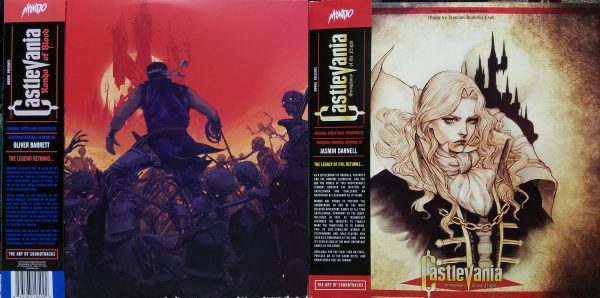
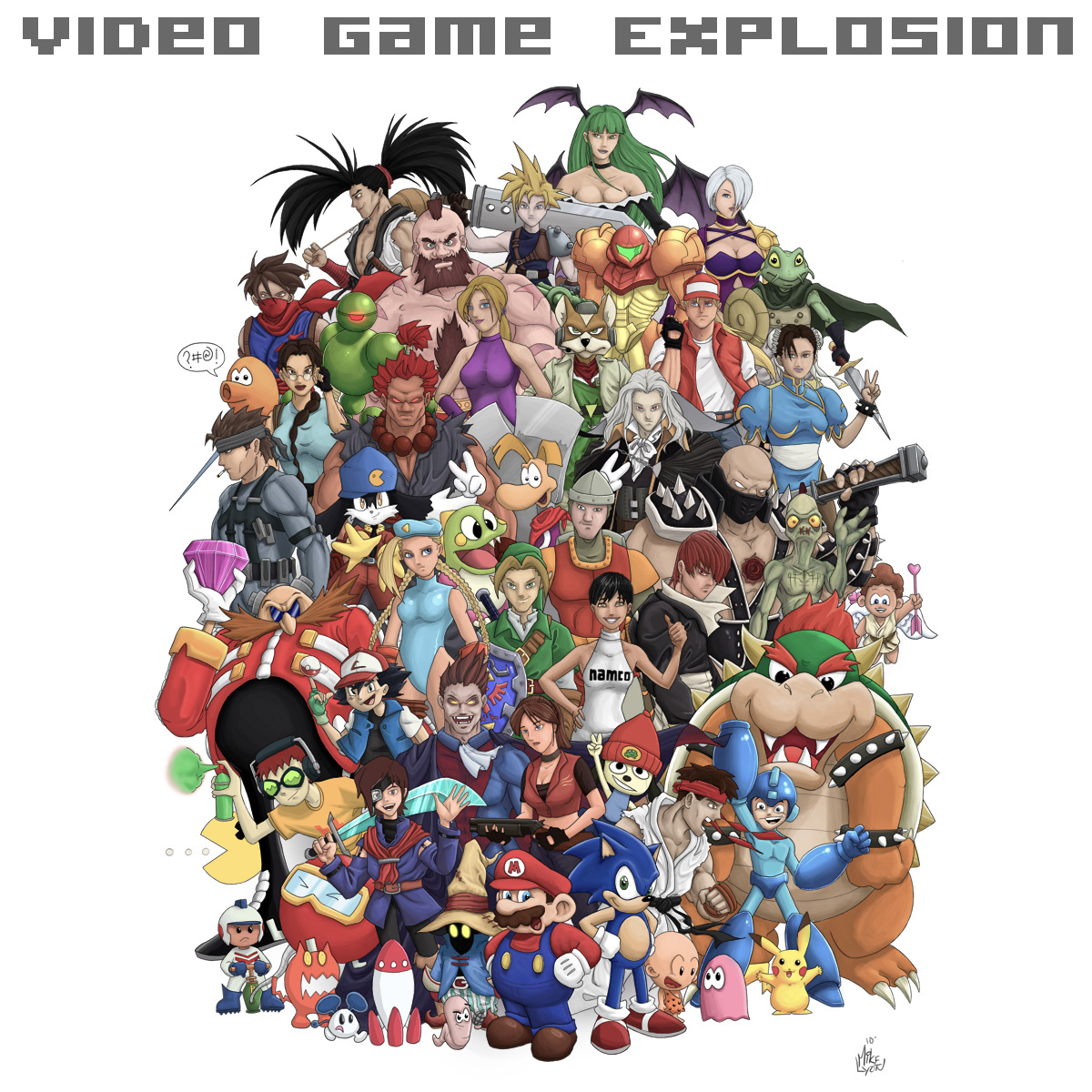
Occasionally I find myself searching bandcamp for keywords of things I like and stumble onto something great. Video Game Explosion is a recently released compilation by Square Punch (Lukas Daum). The album is available on Bandcamp right now for “name your price” and features five solid tracks remixing music from Castlevania, Lufia 2, Mega Man 2, Mega Man X and Mega Man X2.
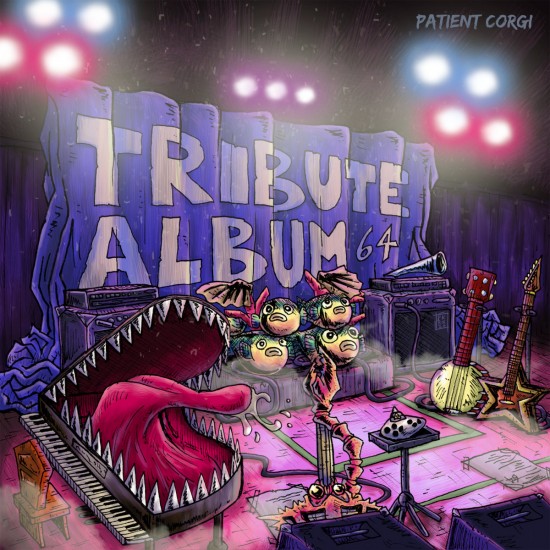
Not only is the music great, but the cover art created for the album by Mike Lyon aka xHOJUx whose additional art you can check out on deviantart.com
I found the album because I was was searching for the keyword “SeaQuest”. I was big fan of the SeaQuest DSV/2032 television series. Square Punch created an awesome chip tune version of the SeaQuest 2032 theme song originally composed by Russ Landau, the game never existed but this will do just fine.
Square Punch has also released some great electronic albums also available on bandcamp for “name your price”. Check it out and let me know what you think.
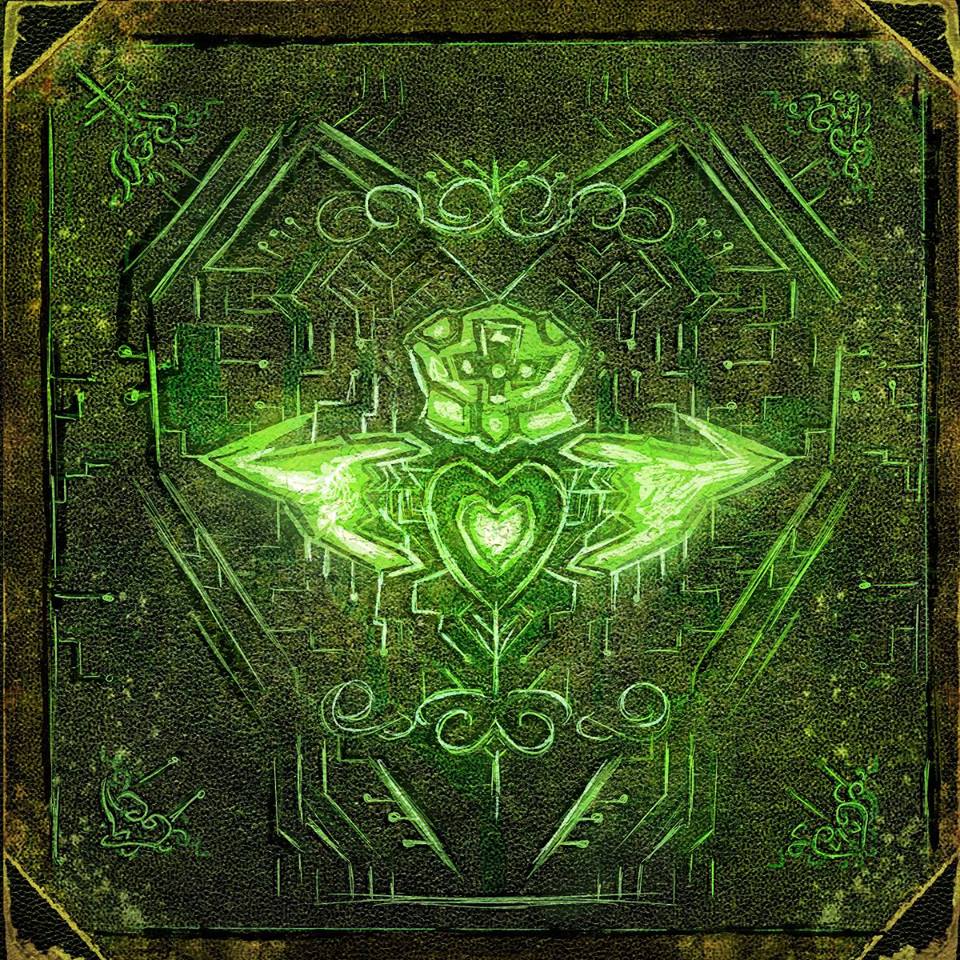
Never being ones to settle for simply one flavor of chiptune albums, our friends at Chiptunes = WIN decided to combine chip music with Celtic themes to create an album just in time for St. Paddy’s Day.
20 brand new “Celt-tunes” (#SryNotSry) from our usual wide variety of overly talented artists! (full roster coming soon!). Expect a mix of traditional celtic covers, some beautiful atmospheric pieces, and, of course, chiptune drinking songs aplenty (I HONESTLY CAN’T BELIEVE THAT HASN’T BEEN DONE ALREADY).
Brandon “President Hoodie” Hood
The album release party starts tonight at 8pm CDT on 8bitX.com with the album dropping shortly thereafter for all your chiptastic drinking shenanigans.
You know life’s pretty awesome when you get more Inverse Phase popping up in the video game music and chip music scene, and it’s fantastic when it’s right during the start of the new year. Why slug through a cold winter, right after grand events like MAGFest, and be jonesing for new tunes to keep spirits high?
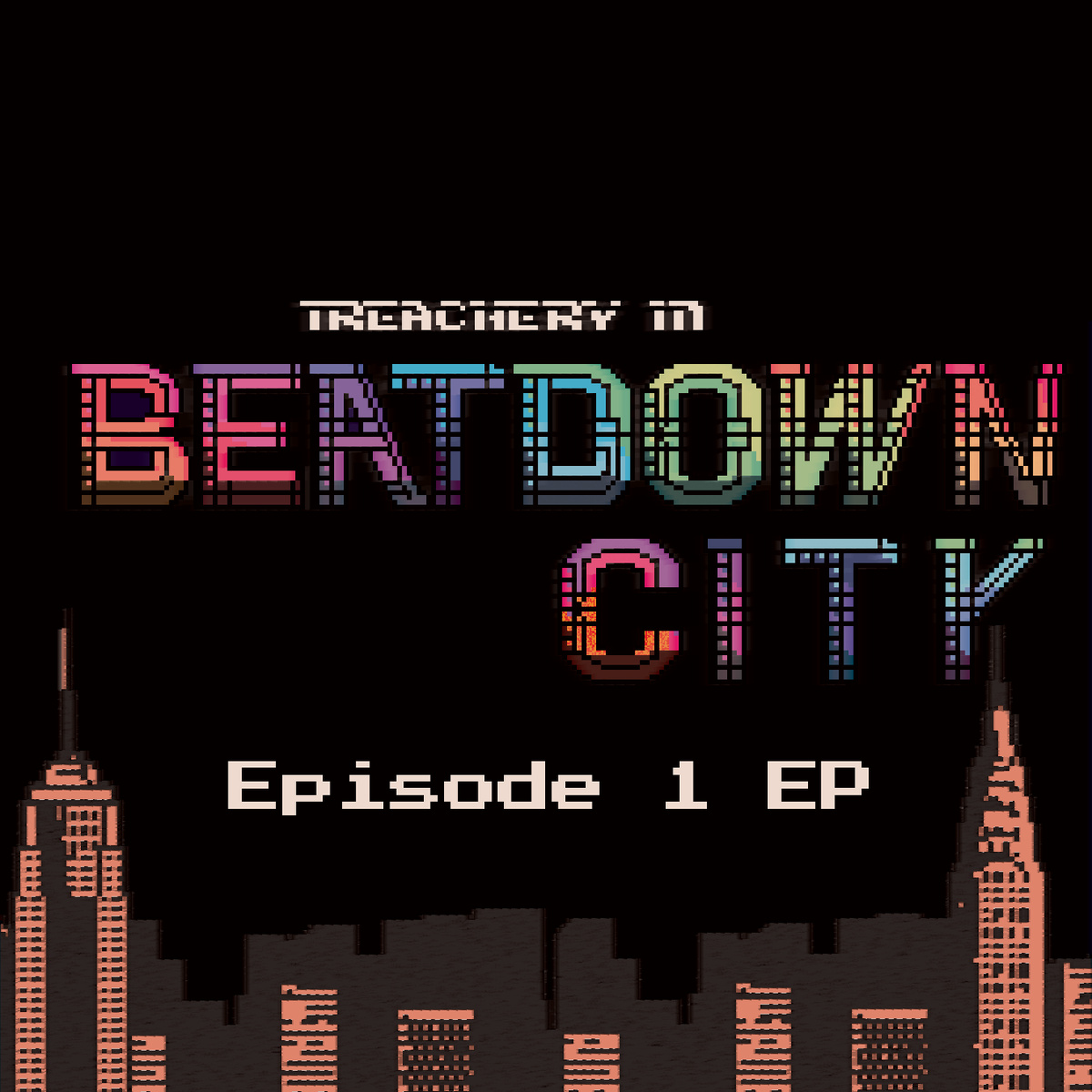
Case-in-point here is Treachery in Beatdown City: Episode 1, which pays tribute to all the sidescrolling beat ’em ups of the 8 and 16-bit era that most of us ’90s kids grew up on, such as Double Dragon and Bad Dudes with some RPG aspects thrown in for good measure. There’s nothing like a good beat ’em up game, and this particular one allows us gentle listeners a delightful cadre of chip music courtesy of Mr. Brendan “Inverse Phase” Becker.
TED talks have always been about presenting ideas worth spreading, so I’m glad to see they’ve put Chiptunes on display. TED talks try to gain a deeper discussion in a local field, TEDx is more for local programs, and Dan (Dan Behrens, aka Danimal Cannon) hit it off. As Dan described Chiptunes, he defined it as…
… Any music made using, or emulating the sound of, old video game consoles and their soundchips.
-Danimal Cannon
Technically with that definition, the PS4 could also be considered platform for Chiptunes, but it’s the sound that Dan and the others are attracted to, not particularly a beefy console. Dan’s chip of choice being a classic Gameboy, he continued into his list of consoles that other artists use to make Chiptunes. Consoles such as the NES, Genesis, Commodore 64, Atari Amiga, and many others. As Dan described, it’s really about taking minimalist hardware, and pushing it to the maximum potential.
The talk itself features some excellent music past the 4:35 mark. Take a listen.
Dan went further to talk about a trend taking place in music software, one that makes music controls easier to use, but leaves you ignorant to what the controls directly changed to achieve its sound. For instance, if you use a plug-in that has a fader controlling a “Smash” parameter, what is the “Smash” doing exactly? Does it EQ the sound? Is something being filtered? Does it matter? By using plug-ins like that, Dan considered it a failing to learn.
Dan also stated that such software is good for businesses, which is true. Music software that gives the end user the sounds they desire is often the goal developers strive for. However, Dan insisted that Chiptune is not a response to such easy-to-use music software, but rather it evolved by itself into where it currently stands in the community.
What are your thoughts on the subject? Do you agree that simple and easy to use software actually does make you less curious about how the sound was achieved?
With an interest in chip tune music must come a certain desire to figure out the best reproduction of those chip tune sounds. Having a synthesizer myself, I always thought creating a chip tune piece was as simple as using a square wave coming out of my analog SH-201. Everyone has a different method, but this was my approach. Despite different approaches, there is a tremendous difference in the sounds produced from any sound chip, let alone those in video game consoles and handheld devices.
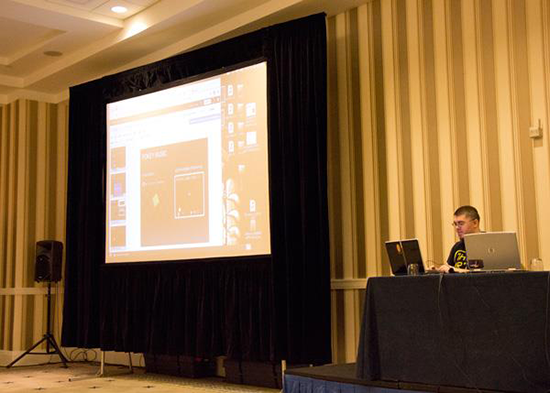
For instance, the timbre of a C64 square wave sounds way different than an NES square wave. They are both square waves, yet the aesthetics that make up the sound drastically differs for each system. If you were going to create an NES based chip tune, it wouldn’t help to emulate chip sounds from a C64, or in my case, my analog SH-201. How can someone spot the difference? Inverse Phase, Mr. MAGFest, as some call him, often teaches people the differences, so they could be armed with an applicable sound palette before creating their own chip tunes. Today, I’ll go over some of these differences thanks to a lecture by Inverse Phase titled Music from Old Sound Chips.