

Music Production
-
Events, Music Production
Sony & Morpheus Headline at Game Music Connect
July 30, 2015 | Shawn Sackenheim | Comments Off on Sony & Morpheus Headline at Game Music Connect Share this

Game Music Connect, the international video game music conference, has announced some new sessions for their third annual gathering to be held in London on September 15th. Chuck Doud, Sony America’s Director of Music, will be the opening keynote speaker for the session “Vision Talk: Emotional Resonance in Video Game Music”.
Having worked on major Sony properties from The Last of Us and Gold of War to Journey, he “brings a unique game music world view […] as he discusses Sony’s current and future visions for video game scoring and celebrates the vital role music plays in today’s and tomorrow’s interactive entertainment experiences, together with the challenges and opportunities that lie ahead.” It will, no doubt, be a great session to step back and take a look at where modern game music is at. With so many games coming to so many platforms it’s harder than ever to get that kind of perspective nowadays.
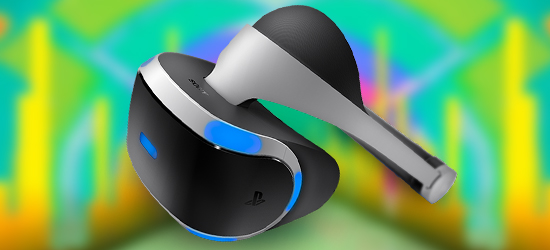
One of those upcoming platforms for new games is virtual reality and Sony expects music to be supremely important and supremely challenging to incorporate with it. Since beginning development of Project Morpheus, the VR headset for PlayStation 4, Sony’s in-house music team created a series of trials to study the “aesthetics and functionality of scores for VR”. Their goal was to create “implementation systems which harness the inherent power of music without disturbing user immersion”. In the session “Virtual Reality & The Meaning of Music” Alastair Lindsay and Joe Thwaites, two music producers from Sony Europe, will demonstrate their findings. There’s sure to be some insightful (and potentially disorienting) revelations about sound and VR in this one.
You can check out much more on Game Music Connect 2015, its panels and presenters, and how to buy tickets to attend at the official homepage.
-
Chip Music, Featured, Game Music, Music Production
NES Sounds as Instruments
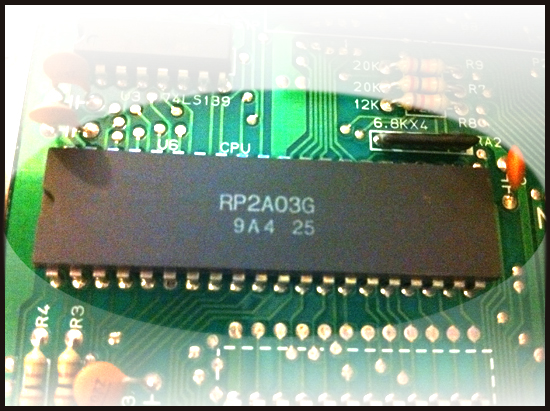
The classic, simple sounds of the Nintendo Entertainment System (NES) from the era of 8-bit video game music are for many, including myself, very nostalgic and heartwarming. This is where it all began! Video games have come so far from these original beeps and boops; now there are live orchestras performing this music, sometimes in the game itself, and they even tour around the world to perform. Many people love these sounds and music for the memories they hold, but even so, they may not want to listen to them regularly when they’re not playing these games. And if you play an original NES tune for anyone who doesn’t have similar cherished memories of sitting around playing video games while their mothers begged them to go outside, they’ll probably cringe at the cacophony of fake, electronic noise that you’re subjecting them to. Chances are they will be bewildered that anyone would enjoy such a thing or find value in it, even if they’re too polite to say so.
I am one of the folks who believes that there is a lot to be admired about the music from the 8-bit era of video games, and I believe that there is a lot that contemporary composers can learn from this body of work. If you listen closely, you can hear how composers writing for the NES learned to treat these sounds as instruments, not just sounds, and how they managed to create music, instead of just noise.
-
Gear, Music Production, Software
Impact Soundworks Has a Summer Sale on Music Software
July 28, 2015 | Michael Hoffmann | Comments Off on Impact Soundworks Has a Summer Sale on Music Software Share this

Software company Impact Soundworks has launched a weeklong sale on their sample libraries, with products on sale for as much as 40% off. This includes the guitar pack Shreddage, world instrument packs like Sitar Nation, and scoring tools Celestia and Vocalisa. There’s also special 15% sales on software bundles. These include a full Shreddage: Rock Band Bundle, a Complete World Bundle, and an Everything Bundle.
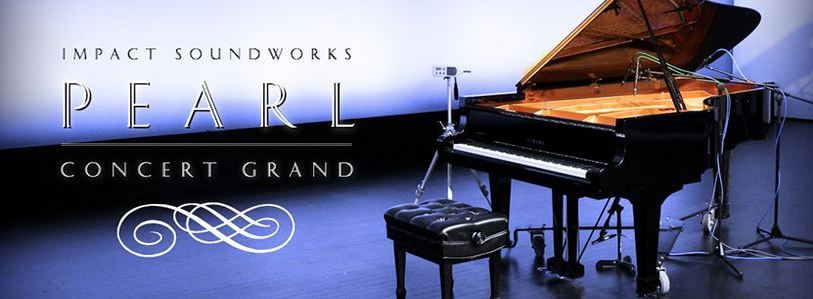
We’ve reviewed a few of these sample libraries in the past. In particular we’ve taken a look at Celestia: Heavenly Sound Design, Rhapsody: Orchestral Percussion, and Pearl: Concert Grand. The sale ends on August 3rd, so be sure to check out the offers before they end. I know I’ll be grabbing some of the music tools that have been on my wishlist. You can check out the full list of products for the Summer Sale on the Impact Soundworks website.
-
Game Music, Music Production
Take a Look Behind Banjo-Kazooie’s Dynamic Soundtrack
The YouTube channel ClassicGameJunkie just recently started a new video series called How Did They Do That!? which aims to dissect a specific mechanic or effect from a game. Their latest episode focuses on the dynamic music of Rare’s Nintendo 64 classic, Banjo-Kazooie. It’s not a technical deep-dive but the video does a good job of explaining how Grant Kirkhope pulled it off in just under four minutes.
It’s totally worth watching just for the final few moments where they layer six of the game’s tracks over one another. It must be that trademarked Kirkhope genius because it sounds just as good as each track does on its own. Check it out up above.
-
Gear, Music Production, Reviews, Software
Pearl Concert Grand (Review)
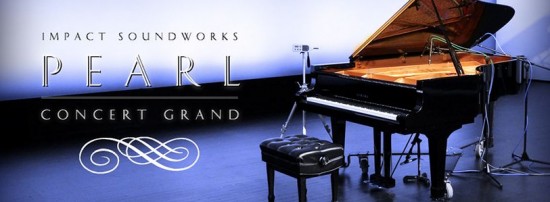
Of the various subjects that we like to cover on Original Sound Version, we occasionally turn our attention to the music tech side of game music. While our focus is primarily on the soundtracks and arrange/remix albums for game music, we also feel it’s important to review and examine some of the tools available to musicians, remixers, and composers. With that in mind, today we will be taking a look at Pearl Concert Grand, a new piano sample library from Impact Soundworks.
Pearl Concert Grand initially caught my attention because, being a composer myself, I’m always on the lookout for more realistic sounding piano libraries to use on my projects. Due to my classical music background, I have some very high standards for the quality of orchestral sample libraries. Piano sample libraries in particular have always had shortcomings in my experience. After years of performing on real pianos, I’ve never been able to find a decent substitute when using digital pianos or samples for performance or for composing. Technology for samples and digital sounds have certainly improved over the years, and Pearl Concert Grand is one of the more recent attempts to capture the true sound of the piano in a sample library. So with my high standards and a healthy dose of skepticism in mind, let’s take a look at this new piano sample library from Impact Soundworks. (more…)
-
Demoscene, Featured, Music Production
From the Expert – MODs and the DemoScene
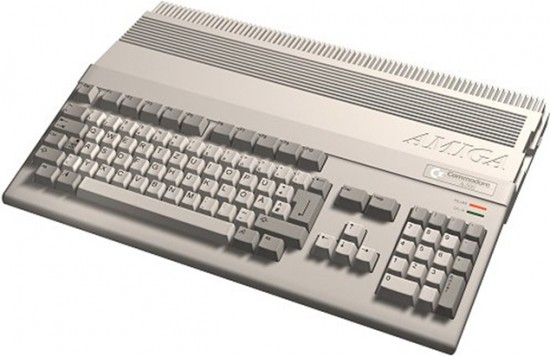 Music has many forms, and music production has probably at least as many forms as well.
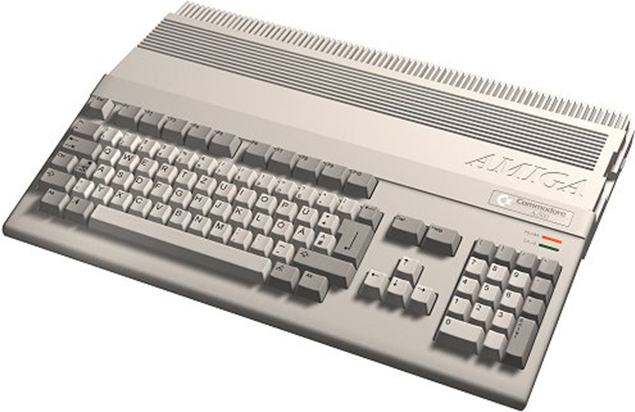
I first started writing music on a computer in 1987, and nearly 30 years later I realized how important simple, fundamental things really are. My youngest son is five, and was taken by a 25 key synthesizer I recently acquired (the Korg Triton Taktile 25). He wanted one too, and I told him “you can have one, but you need to learn at least a little music first. This is no toy.” And with those words I realized the same words were just as true for me.
So with that in mind, with this bit of writing I’m going to talk about MODs, and the Demo Scene.
-
Game Music, Music Production
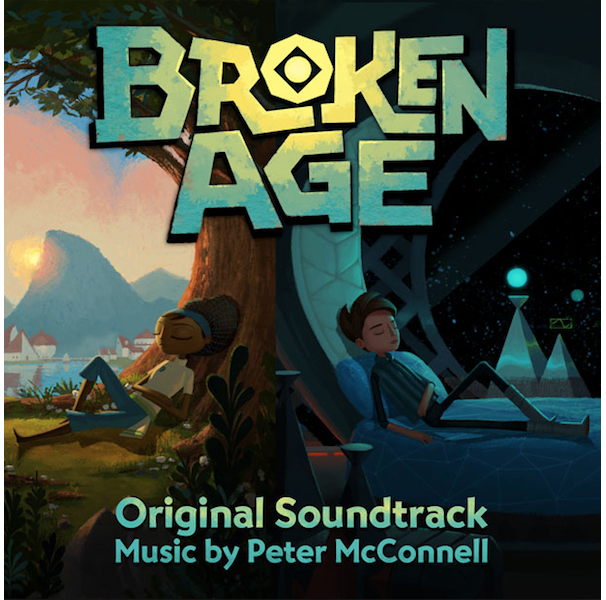
Take A Behind-the-Scenes Look at Broken Age’s Music and Audio
April 14, 2015 | Michael Hoffmann | Comments Off on Take A Behind-the-Scenes Look at Broken Age’s Music and Audio Share this
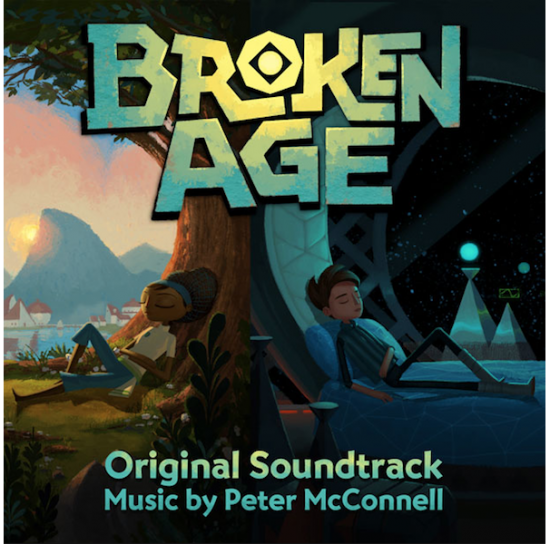
As part of the backer updates on the Double Fine Adventure Kickstarter project, the game’s development process has been documented in a video series by 2 Player Productions. The multi-part documentary includes interviews with the staff, at various points of Broken Age‘s development cycle, and behind-the-scenes footage of the creation process. A select number of episodes feature content about the game audio side of Broken Age‘s production. The first fourteen episodes of the documentary are now available to non-backers on the Double Fine YouTube channel.
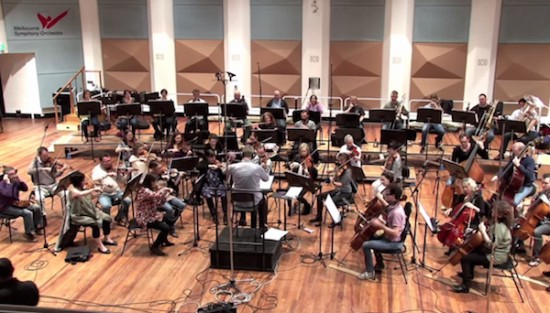
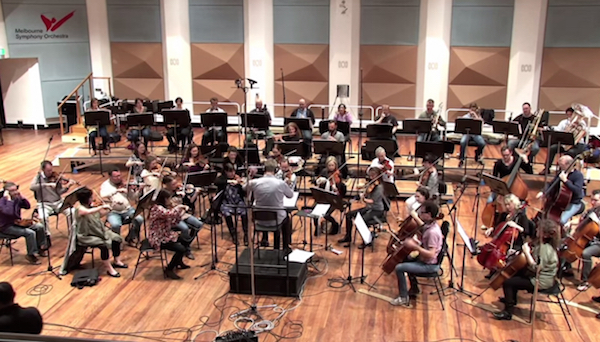
(The Melbourne Symphony Orchestra performing “Battle at Shellmound”)
Part of Episode 11, “Ship It,” takes viewers to Peter McConnell’s studio as he writes music for one of Broken Age’s cutscenes and explains his process for composing and finding inspiration for his music. There’s even more game audio covered in Episode 13, “Crash Landing a Plane.” This episode features Camden Stoddard and the rest of the Double Fine audio team working on foley and sound design, while McConnell works with the Melbourne Symphony Orchestra to record some of the larger orchestral pieces for the soundtrack.
If you haven’t had the chance to watch the Double Fine Adventure documentary, it’s a fascinating look at the development of the first part of Broken Age. The episodes mentioned above are highly recommended viewing, especially if you’re a fan of the game’s music and audio. Be sure to check those episodes out, and the complete documentary itself.
| « Next Entries | Previous Entries » |
|---|
Join Us Online Or Log in


